
All neighbors matter
& every vote counts.
As good neighbors, we
vote for our neighbors.
At Good Neighbors Vote, we believe in being a good neighbor. Good neighbors look out for each other and lend a hand when life gets tough, whether that’s bringing a casserole when a baby is born, helping your neighbor change a tire, or giving a friend a ride to the airport.
But many of our neighbors have needs that we cannot meet through private aid alone. How do we serve…
Our neighbors who can no longer afford groceries due to inflation?
Our neighbors without health insurance?
Our cattle farmers, buckling under the financial pressure of international beef imports?
Our inner city neighbors, facing underfunded schools, few transportation options, and food deserts?
Our rural neighbors losing access to hospitals?
Our neighbors fighting mental illness?
Our elder neighbors, facing increasing property taxes on a fixed income?
While we affirm the value of private aid, we also understand that some problems must be addressed through good policy. That’s why, here at Good Neighbors Vote, we make it easy to understand who our neighbors are, the issues we face, and how voting makes a difference. Good policy starts with us. Each and every neighbor matters, and all voters count.
Let’s reimagine civics together.
So many of us are burned out on politics. Years of hateful partisan warfare have destroyed countless relationships. And what have we gained from this mode of political engagement? Are we safer, happier, or more prosperous? Prices are out of control. We’ve been dragged into yet another war. Corruption is rampant and unchecked. Our leaders enrich themselves on insider trading, while we struggle to pay for groceries. And the most vulnerable among us pay the highest cost.
It’s tempting to tune out. If engaging in politics means losing valuable relationships, and political leaders don’t seem to listen anyway, many of us may feel that there’s no point in trying.
But there is a better way. Discover a model for political engagement that actually works.
Discover The Good Neighbors Pledge. As ACTIVE Good Neighbors, we:
-
Neighborliness is active, not passive! We each have power — skills, abilities, social connections, & resources — to help meet tangible needs in our communities. For example, food pantries & GoFundMe medical fundraisers are one part of the puzzle; but we also address skyrocketing grocery & medical costs through good public policy. Whether through casseroles, donations, prayer, voting, or calling Congress, we do all the good we can.
-
Who are our neighbors? We are rural, urban, & suburban; prosperous & struggling; healthy, sick, & uninsured; children & seniors; citizens & guests; single, married & divorced; Republicans, Democrats, & Independents. Regardless of race, gender, or faith, we are all people, and we are all neighbors. So we seek each other’s good, even amidst our differences.
-
Civil dialogue is possible! We turn off media that tells us to hate, fear, & shun our neighbors, and we talk to each other offline. We stay curious about each other’s perspectives, needs, & concerns. We ask questions, listen to understand one another, and put ourselves in each other’s shoes. Instead of isolating ourselves, we build bridges and find common ground. And we seek bipartisan solutions across party lines.
-
In our (mis)information age, we work hard to think well. We check our biases and our sources. We identify propaganda, watch out for conspiracies, & disregard disinformation. As we weigh individual issues, we also keep the big picture in mind. We consider both individual needs & the good of the whole. And even when it’s challenging, we always seek the whole truth.
-
Our vote is our voice, and our collective voice is our power. So we learn the issues, we vote, and we invite our friends to do the same. We create a culture where everyone votes, because voting is part of what it means to be a good neighbor. The status quo is not inevitable. Reform is possible when we all vote. And we seek leaders who serve all our neighbors, not just their own ‘team’; who stand for integrity & against corruption; and who are accountable financially & relationally to “we the people”, rather than outside interests. When we face imperfect choices at the ballot box, we remember that our vote does the greatest good not as an expression of party loyalty or personal identity, but as a tool for minimizing harm to our neighbors. We seek the common good.
-
Even the best of intentions can have unintended consequences. When we care for our neighbors, success is measured not by our good intentions, but by whether our neighbors’ lives actually improve. So we evaluate the impacts of our efforts, programs, and policies. Have our neighbors really been helped? Has anyone been overlooked or harmed? We don’t dig in our heels or get defensive. Instead, we’re open to feedback. We listen well, measure our effectiveness, & adjust course when needed. Integrity means learning from our mistakes and embracing growth.
4 Simple Steps to Vote On November 3rd
Your first step is crucial: make sure you’re registered to vote. If you’re already registered, you also need to check that your address & information is up to date, find your polling place (the location you’ll need to vote), and view a sample ballot so you have time to plan your vote.
1. Register to vote
2. Understand the process & issues
Don’t be scared, be prepared! We’re here to help you vote with confidence. Start by building your foundational knowledge. How does the government work, and how are laws made? Once you know the basics, congrats! You now get to join the neighborly conversation of citizenship. From there, you get to explore the specific issues that impact you and your neighbors.

Each One Reach One. Democracy is a team sport. The more teammates we bring with us, the more power we have to hold elected officials accountable. Drive a disabled or elderly neighbor to the polls, help your friends put the election on their calendar, or volunteer to support your favorite candidate!
Below are digital graphics to share online, plus FREE printable flyers to post in your local libraries, gyms, coffee shops, salons, & other businesses.
3. Ready? Spread the word!
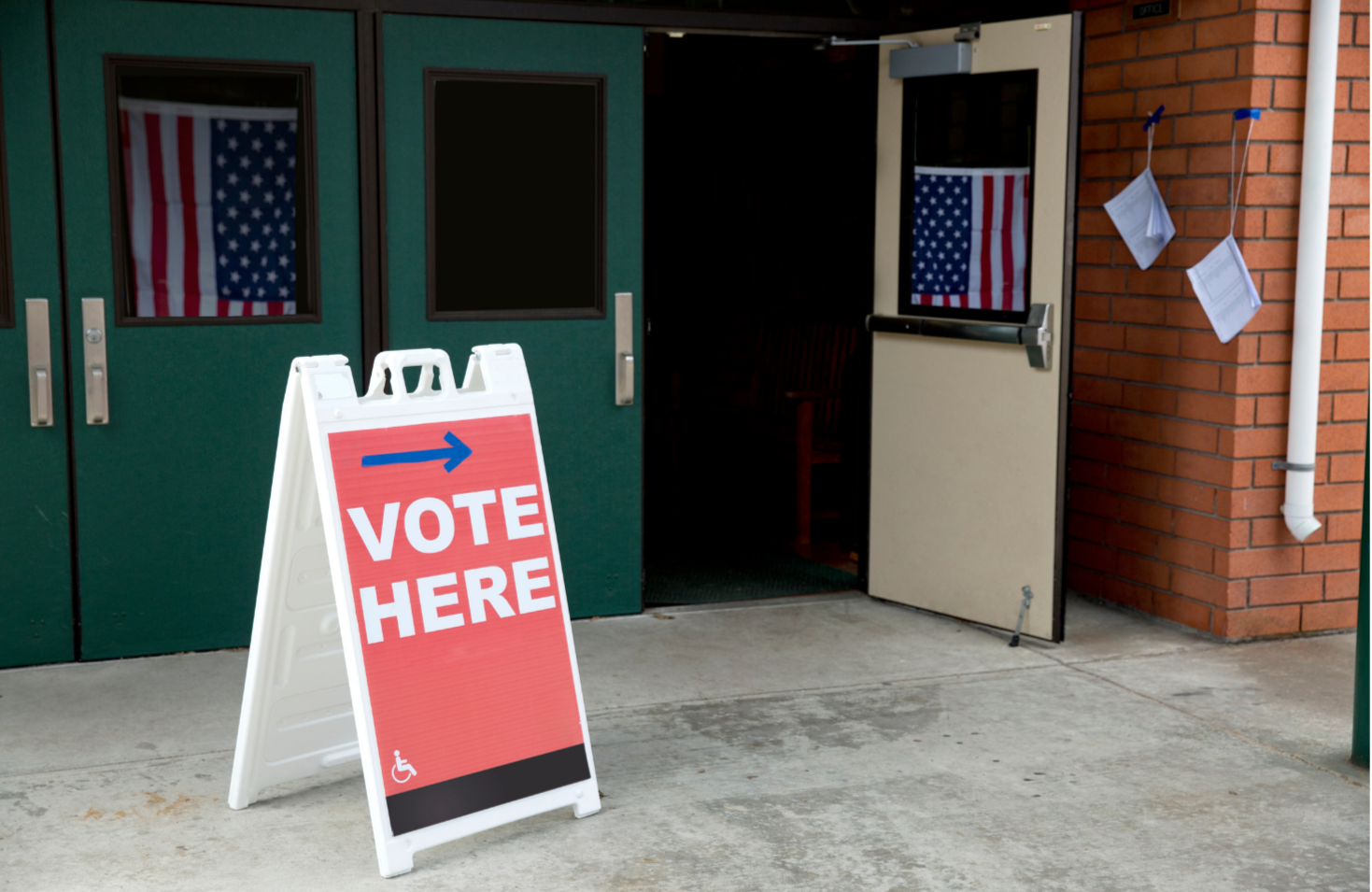
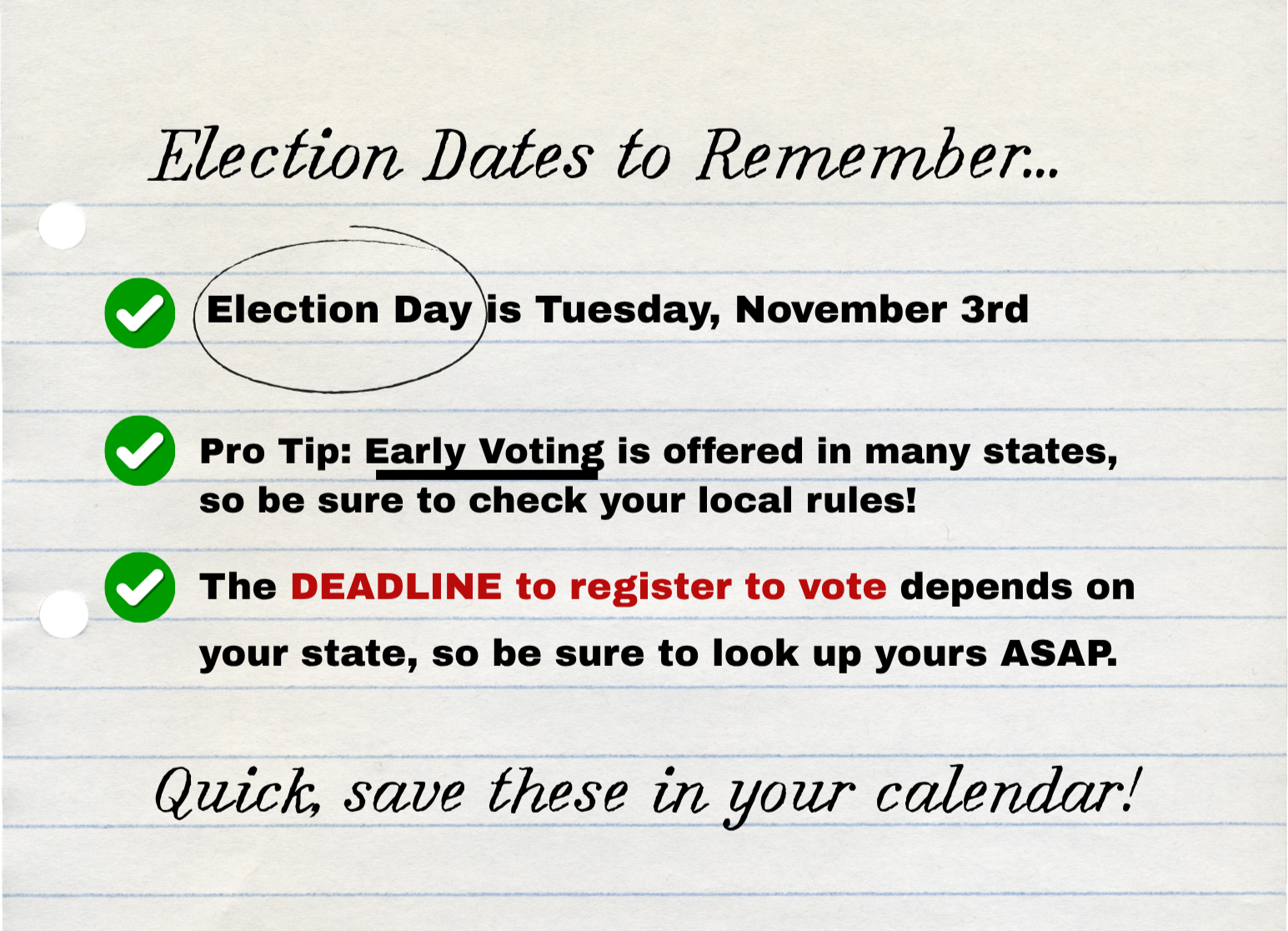
It’s time to act! Tuesday, November 3rd is Voting Day. In many states, you can also vote early to avoid the lines. Find your state, confirm your voting dates, and add them to your calendar prior to Election Day. You’ll also want to save your polling place location & plan your ballot, so you’re ready to vote on November 3rd.
4. VOTE!
P.S. No matter how you vote,
THANK YOU for being our neighbor.
Need help with your ballot?
We’re happy to help! Feel free to reach out with any questions.
Email
hello@goodneighborsvote.com